Table Of Content
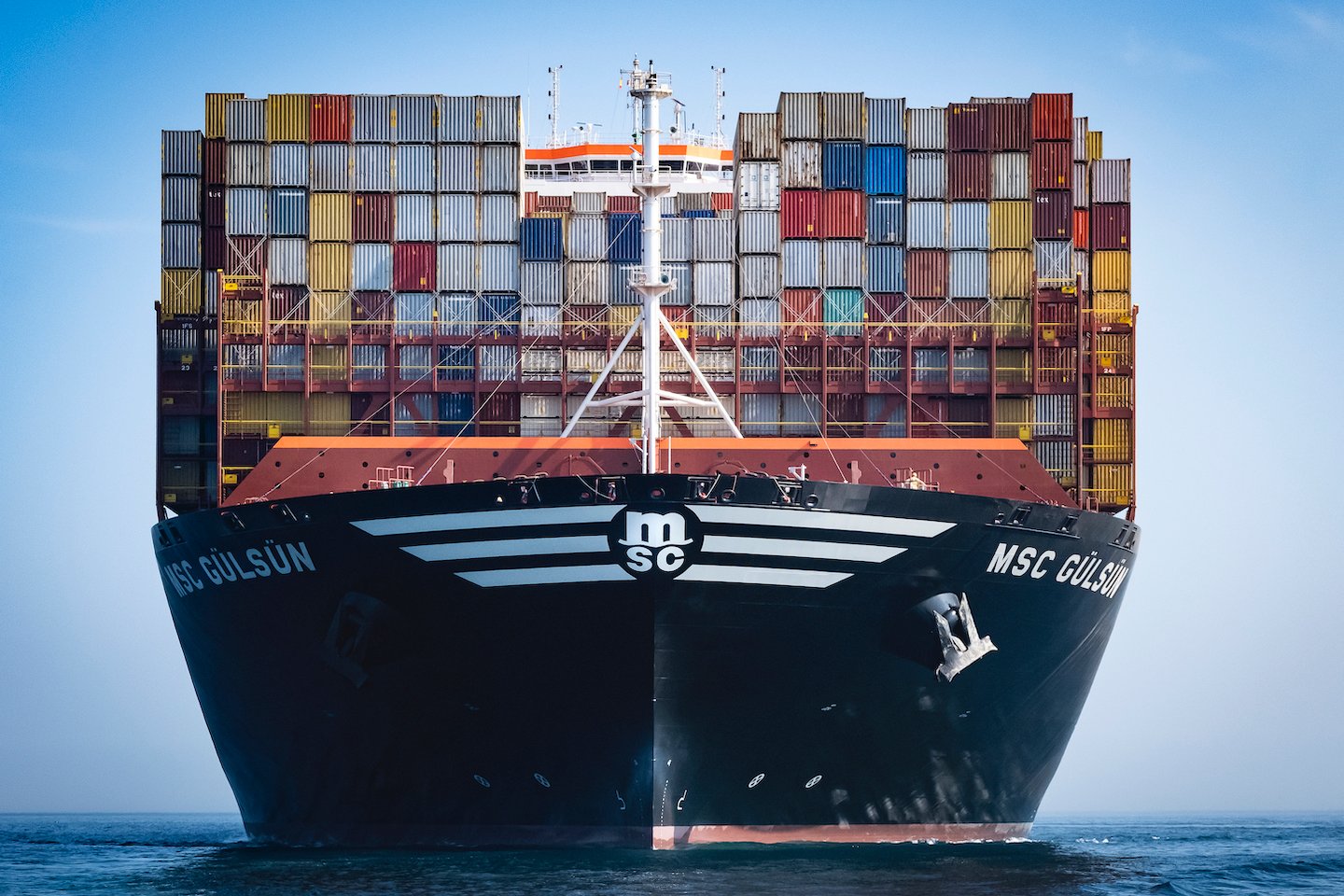
Archimedes’ principle states that a body immersed in a fluid is subjected to an upwards force equal to the weight of the displaced fluid. That’s why a strong wind hitting the side of the ship doesn’t tip it over. This is calculated as a wind heel moment and is a large part of the stability calculations for any vessel. Another major difference between a cruise ship and a boat is the design of the hull. If you ever meet an engineer, they will often talk about a ship's displacement, rather than its weight.
Managing Ship’s Weight
The motion of the ship can be affected by the ocean itself, the open ocean, and ocean waves. To counteract this motion, cruise ships are equipped with stabilizers that help to reduce the ship’s motion. In conclusion, managing a ship’s weight is critical to ensure that it remains stable and balanced. Ballast tanks, fuel tanks, and water tanks are all used to manage the ship’s weight. By carefully managing the weight of these entities, cruise ships can remain afloat and provide a safe and comfortable voyage for their passengers. To maintain stability, cruise ships are equipped with stabilizing systems that counteract the rolling motion caused by waves.
More Science … Shifting Center of Buoyancy
So, simply by hitting an iceberg, the water rushed in, and the Titanic went down within hours. If you want to keep the vessel upright, managing these aspects is crucial. It ensures that cruise ships stay balanced and can return to an upright position after being disturbed by wave action.
Stay connected
Although cruise ships can weigh thousands of tonnes, this weight is spread over a vast volume. This was the case with the Titanic, which hit an iceberg damaging the ship and allowing water to enter, increasing the ship’s density. Once the ship’s density is more than the density of water displaced by the ship, the ship sinks.
Shape of Hull
The ship's crew is trained to respond quickly and efficiently to any emergency situation. The emergency plan includes procedures for evacuating the ship, handling fires, and dealing with medical emergencies. This creates an effect where the center of gravity is placed downward. The center of gravity for a cruise ship is toward the bottom half of the vessel. I have a table with the drafts of many cruise ships in this article, so you can compare them.
Viking Cruise Ship Floats Out at Italian Shipyard - Cruise Hive
Viking Cruise Ship Floats Out at Italian Shipyard.
Posted: Thu, 30 Nov 2023 08:00:00 GMT [source]
Understanding Buoyancy
New TUI Cruises Ship Floats Out at Shipyard - Cruise Hive
New TUI Cruises Ship Floats Out at Shipyard.
Posted: Fri, 01 Dec 2023 08:00:00 GMT [source]
So, next time when you’re aboard, find a spot closer to the water plane area to make your cruise even more enjoyable. To do so, we will have a look at the chemistry of hull design. There is a phenomenon known as Archimedes’ principle, which will help you understand all this. These criteria are vital to prevent accidents and ensure the passengers’ crew’s safety. Hence helps to keep the ship from tipping over in rough seas.
To ensure a smooth ride for passengers, cruise ships are equipped with stabilizers. These are fins that extend from the sides of the ship and help to reduce the amount of rolling and pitching caused by waves. Cruise ships have a U-shaped hull that displaces thousands of tons of water. This water is pushed down and to the sides, but the ship doesn't sink because the density of the water pushes back against the hull.
How do buoyancy and density apply to ships?
The ship will have a capacity of over 6,000 passengers and will feature a range of amenities, including a water park, a casino, and a spa. The ship needs fuel to power its engines and generate electricity. The amount of fuel required for a voyage can be significant, and it is essential to manage the weight of the fuel to ensure that the ship remains balanced. Fuel tanks are located in the lower part of the ship to help maintain the ship’s center of gravity. Buoyancy is the force that allows objects to float in a fluid.
Cruise Ships in Motion
However, hulls are subdivided with individual watertight compartments and bulkheads, or walls dividing each section, which help prevent the leak from spreading to other compartments. Join me as we explore the captivating world of cruise ships together. The draft is the part of the ship below the waterline – basically, the bottom of the ship that you can’t see when it’s floating. So, when you’re cruising, you’re on one of the safest ways to travel. The chance that a cruise ship would tip is so low that it’s not something I worry about when planning my next cruise adventure. Gross Tonnage affects the distribution of mass and volume of the large ships for optimal stability.
The concept of buoyancy is what keeps a cruise ship like Symphony of the Seas upright and floating. Archimedes came up with a unique idea to measure the volume of his body accurately against a body of water. From this experiment, he realised that if he could measure the amount of displaced water, he would be able to measure the volume of his body. The larger the object’s surface area, in this case, the hull of a large cruise ship, the more weight it can support. It will tend to roll over and capsize if it loses its balance, or the wind changes direction suddenly. If you are on board when this happens, your best bet is to get out of the way as quickly as possible.

The T stands for Tropical, the S stands for Summer and the W stands for Winter. But for practical reasons (this can vary as to the regions of the world and time of year) and on most cruise ships, the S load line is used. The depth at which a ship sits in the water is known as the draft. Most cruise ships typically have a draft of between 5 metres (16ft 5in ) and 10 metres (32ft 10in).
The last instance when a cruise ship tipped over was on 13 Jan 2012. Plus, in the previous ten decades, just 22 ships have been tipped so far. This area is very important to keep the ship balanced, especially in rough seas.
After some research, I learned that the answer lies in the science of buoyancy and Archimedes' Principle. The center of gravity of a ship (central focus points for gravity’s push downward) can’t be changed. Therefore, a cruise ship’s U-shaped hull is created so the center of buoyancy shifts naturally as the vessel tilts sides. This change in center of buoyancy helps to push the ship back to its upright position, no matter how large it is.
The reason that large cruise ships carrying hundreds of thousands of tonnes can float on water is largely down to physics. Put simply, cruise ships float because their mass is low in relation to the volume of water they’re sailing on. This creates an effect called buoyancy, which keeps the ship upright and afloat. If you want to know how much difference there is, just measure the distance from the center of mass to the surface of the water before adding any extra weight and after. As far as why ships float at all, I’m not sure but I think it’s related to buoyancy.
Whether you desire adventure, luxury, or exploration, High Seas Cruising is your compass to unforgettable cruise vacations. Cruise ships can float as long as they can displace an amount of water equal to their mass. The Archimedes Principle asserts that the buoyant force on an object immersed in a fluid is equal to the weight of the fluid that the object is displacing, according to NASA.


No comments:
Post a Comment